
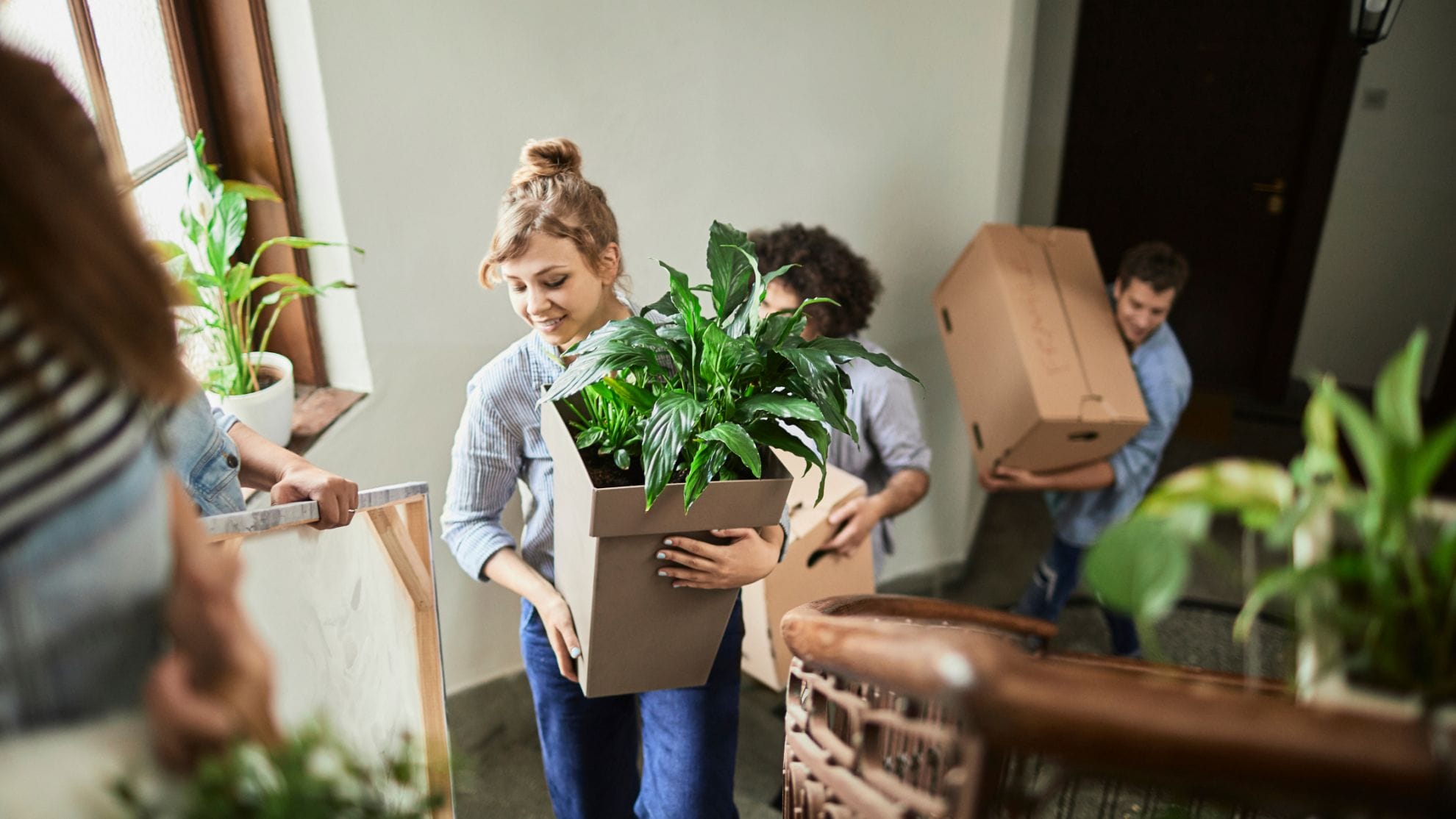
Moving with your plants presents unique challenges and requires careful planning. Ensuring that your plants survive and thrive in your new home involves several key steps. Proper preparation can make the transition smoother for both you and your green friends. Here’s how to prepare your plants for the move and ensure they arrive healthy and ready to grow.
Pre-Move Preparation
Assessing Your Plants
Before you start packing, it’s important to evaluate which plants are worth moving. Consider factors such as:
- Size: Large plants may be difficult to transport and could require special handling or extra space. Assess if the size of the plant is manageable for the move and whether you have adequate space for it in your new home.
- Health: Only move healthy plants; sick or pest-infested plants may not survive the journey and could potentially harm other plants. Inspect each plant for signs of disease or pests and decide if it’s worth the effort to move them.
- Type: Some plants are more resilient to stress and changes in environment than others. Consider if the plant type is adaptable to the conditions of your new location, such as climate and indoor space.
Legal and Quarantine Considerations
It’s essential to research any regulations regarding the transport of plants, especially if you’re moving across state lines or internationally. Here are some points to consider:
- State or Country Regulations: Check with the Department of Agriculture or equivalent authority in your destination to find out if there are any restrictions on moving specific plant species. Some areas have strict regulations to prevent the spread of invasive species or diseases.
- Quarantine Laws: Be aware of quarantine laws that might affect the movement of your plants to prevent the spread of pests and diseases. Certain regions may require a certificate of inspection or other documentation to verify that your plants are pest-free.
Preparing Plants for the Move
Preparing your plants properly for the move can significantly increase their chances of survival. Here are some steps to take:
- Prune and Clean: Trim any dead or excess foliage to make the plants more manageable and reduce stress during the move. Inspect each plant carefully and remove any visible pests. Cleaning the leaves with a damp cloth can help to remove dust and pests.
- Repotting: If your plants are in fragile or heavy pots, consider repotting them into lightweight, plastic containers that are easier to transport. This reduces the risk of breakage and makes handling easier.
- Watering: Water your plants a few days before the move. They should be moist but not waterlogged to prevent damage during transport. Avoid watering them on the day of the move to reduce the risk of water spilling in the vehicle.
- Packing: Use sturdy boxes with ventilation holes for packing smaller plants. Line the boxes with plastic to protect against soil spillage. For larger plants, wrap the pots in plastic bags to prevent soil from spilling and secure the plant to prevent it from shifting during transit.
- Labeling: Clearly label each box with the type of plant and indicate which side should be up. This helps to ensure that your plants are handled correctly and reduces the risk of damage.
By carefully assessing your plants, understanding legal considerations, and preparing them properly, you can help ensure that they arrive at your new home ready to flourish. Taking these steps will make the move less stressful for both you and your plants.
Packing Plants
Packing your plants properly is crucial for ensuring they arrive safely at your new home. This section will guide you on choosing the right containers and how to pack both small to medium and large plants effectively.
Choosing the Right Containers
Choosing the right containers is the first step in protecting your plants during the move. Here are some important considerations:
- Sturdy and Breathable: Use sturdy, breathable containers to allow air circulation while protecting the plants. Clay pots are great for smaller plants due to their weight and breathability.
- Lightweight for Large Plants: For larger plants, plastic pots are ideal as they are lightweight and easy to handle, reducing the risk of damage during transport. These pots are also less likely to break under pressure.
Packing Small to Medium Plants
Small to medium plants require careful packing to prevent damage. Here are some tips to ensure their safety:
- Secure the Soil: Use plastic wrap or paper to secure the soil, preventing it from spilling out during the move. Cover the soil and base of the plant, then secure it with a rubber band.
- Use Dividers or Individual Boxes: Place plants in boxes with dividers or use individual boxes to keep each plant protected from movement and bumps. Ensure the boxes are well-ventilated by poking holes or using breathable materials.
- Padding and Cushioning: Add padding such as newspaper, bubble wrap, or packing peanuts around each pot to prevent movement. This also helps to absorb any shocks during transit.
Packing Large Plants
Large plants need special attention due to their size. Follow these steps to pack them securely:
- Wrap the Plants: Use old sheets, blankets, or plastic to wrap around large plants, protecting their leaves and branches from damage. Secure the wrapping with twine or string to keep it in place.
- Secure the Base: Add padding around the base of the plant pot to secure it and prevent movement. This can include packing paper, bubble wrap, or old towels. Consider using cardboard or wooden crates for extra protection.
Transporting Plants
Transporting plants requires proper vehicle preparation and handling, especially in extreme weather conditions. This section provides tips on ensuring your plants are safe during transit.
Vehicle Preparation
Preparing your vehicle properly can make a significant difference in the health of your plants during the move:
- Ventilation and Temperature Control: Ensure your vehicle has proper ventilation and temperature control. This helps to prevent your plants from overheating or getting too cold. Avoid placing plants in the trunk, as it can get too hot or cold.
- Secure the Plants: Secure the plants to prevent tipping and shifting during transit. Use seat belts or other securing methods to keep them in place. Consider using a box or crate to keep smaller plants together and stable.
Handling Extreme Weather
Moving plants in extreme weather conditions can be challenging. Here are some tips to protect them:
- Hot Weather: Use sunshades to protect plants from direct sunlight and ensure the vehicle is well-ventilated. Water the plants before the move, but not excessively. If possible, move during the cooler parts of the day, like early morning or late evening.
- Cold Weather: Use blankets or heaters to keep plants warm. Avoid exposing them to cold drafts and ensure the vehicle is at a stable temperature. Place plants in the cabin of the car rather than the trunk to maintain a warmer environment.
By following these guidelines for packing and transporting your plants, you can help ensure they arrive at your new home healthy and ready to thrive. Proper preparation and handling are key to a successful move for your green companions.
Arrival and Unpacking
Upon arriving at your new home, it’s essential to give your plants the immediate care they need to thrive in their new environment. This section provides detailed steps for unpacking and acclimating your plants to ensure they settle in comfortably.
Immediate Steps Upon Arrival
When you first arrive, carefully unpack your plants to minimize stress and damage. Follow these steps to help your plants adjust quickly:
- Unpack Carefully: Gently remove any wrapping materials and inspect the plants for any signs of damage or stress.
- Water Them: Give your plants a good drink to help them recover from the journey. Ensure the soil is moist but not waterlogged.
- Suitable Location: Place your plants in a suitable spot with appropriate light and temperature conditions. Avoid direct sunlight initially, as it can stress the plants further.
Gradual Acclimation
Helping your plants acclimate to their new surroundings gradually is crucial. Here’s how to do it:
- Adjust Slowly: Allow your plants to adjust to the new environment by gradually increasing their exposure to sunlight and other conditions. Start with indirect light and slowly move them to their permanent spots.
- Monitor for Stress: Keep an eye out for signs of stress, such as wilting, yellowing leaves, or drooping. Adjust your care routines, like watering and light exposure, to help them acclimate.
Special Considerations
Moving plants can be challenging, especially when dealing with long distances or exotic species. This section covers special considerations for these scenarios.
Moving Long Distances
Long-distance moves require additional planning and care to ensure your plants survive the journey:
- Extended Care: For moves taking several days, make sure to provide adequate water and light. Consider using portable grow lights if necessary.
- Professional Movers: For especially long or complex moves, hiring professional plant movers can ensure your plants are transported safely and receive the care they need during transit.
Moving Exotic or Rare Plants
Exotic or rare plants often require extra precautions due to their delicate nature:
- Extra Precautions: Use specialized packing materials and methods to protect these plants. Ensure they are kept at the right temperature and humidity levels.
- Expert Advice: Consult with horticulturists or plant experts to get specific advice on moving these delicate species. They can provide tailored guidance to ensure your rare plants arrive in perfect condition.
By following these steps, you can ensure your plants transition smoothly to your new home, staying healthy and vibrant.
Moving with plants can be a challenging but rewarding experience. With the right preparation, packing, transportation, and acclimation, you can ensure that your beloved plants thrive in their new home. By carefully assessing and preparing your plants before the move, choosing the appropriate containers, and taking special care during transportation, you protect their health and well-being. Once you arrive, gradual acclimation and immediate care will help them adjust smoothly. Whether moving long distances or handling exotic species, these steps will make your transition seamless and your new home vibrant with greenery. Happy moving!


